
Driving tips
Nervous about getting behind the wheel on your Punta Cana holiday? Don’t be. Driving in the Dominican Republic is easier and safer than the internet makes it sound — you just need to know the local rhythm. Here is the honest, practical rundown from the team that drives these roads every single day.
By the Cars Punta Cana team · Updated 2026
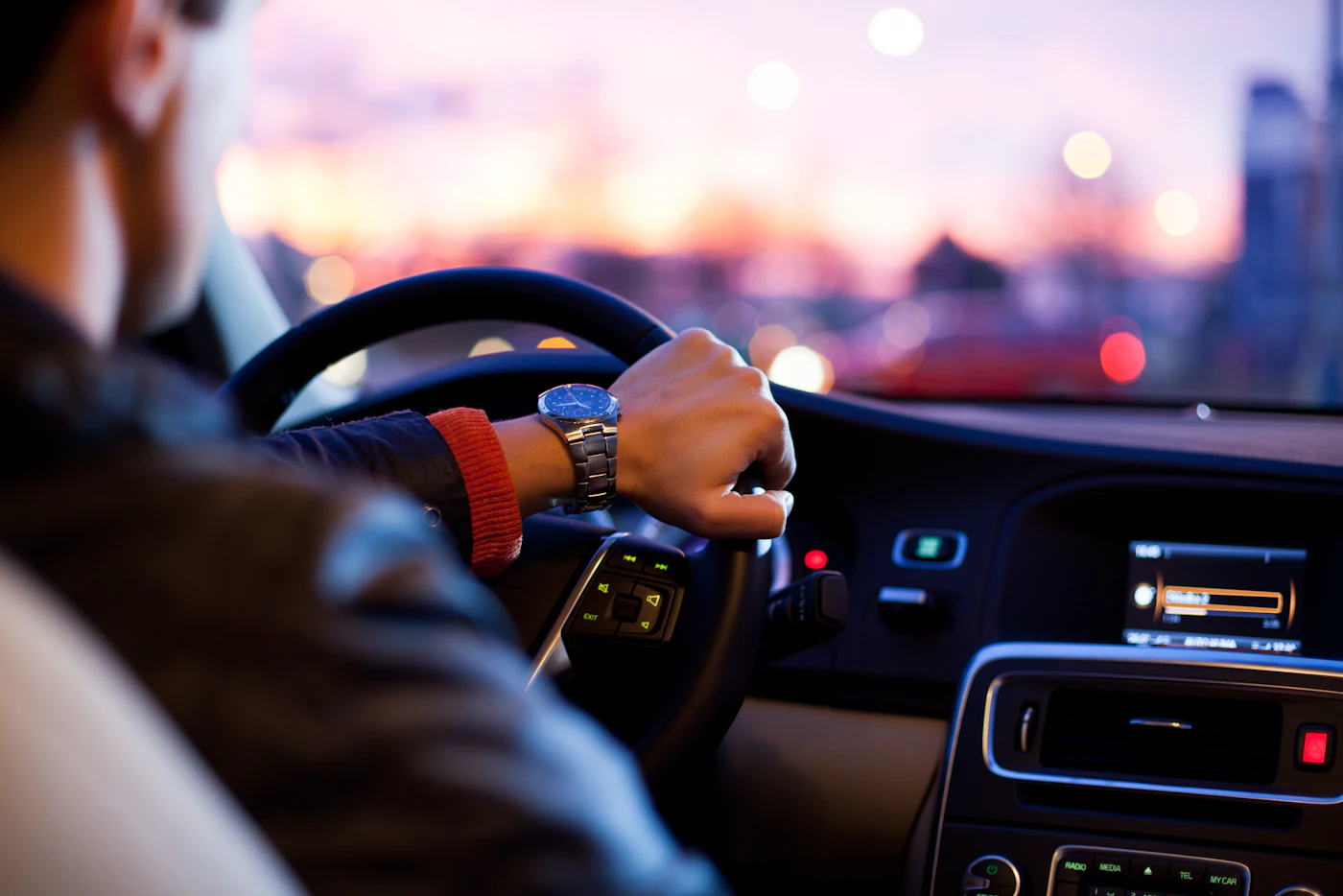
If you’re weighing up whether to rely on taxis and resort shuttles or grab your own set of keys, take it from us: driving in the Dominican Republic is the single best way to actually see the country. A rental car turns a resort stay into a real adventure — a secret beach at Macao before breakfast, empanadas from a roadside colmado, sunset in Cap Cana whenever you feel like it. Dominicans drive on the right-hand side, road signs use the same international symbols you already know, and the main tourist corridors around Punta Cana are modern, well-paved toll highways. The trick is simply adjusting to a more relaxed, improvised local style. This guide walks you through every worry — road rules, tolls, fuel, speed limits, night driving, police checkpoints and parking — so you can pick up your rental car in Punta Cana and pull away with total confidence.
The honest answer
Yes — for the overwhelming majority of visitors, driving in Punta Cana is perfectly safe, and thousands of tourists do it every week.
The eastern tourist zone — Punta Cana, Cap Cana, Bávaro and the road to La Romana — is the most developed, best-maintained part of the country. The flagship Autovía del Coral and Boulevard Turístico del Este are wide, smooth, divided highways with proper lighting and emergency lanes. What surprises first-timers isn’t danger; it’s the style. Dominican driving is more fluid than what you’re used to: motorbikes (called pasolas) weave between lanes, drivers use their horn as a friendly “I’m here,” and turn signals are, let’s say, optional. Drive defensively, leave extra following distance, don’t assume anyone will stop for you, and you’ll be completely fine.
Our advice: start with an easy, confidence-building car. A comfortable SUV rental in Punta Cana gives you a higher seating position and better visibility, which most first-timers love. If you’d rather skip the wheel entirely on arrival day, our private VIP transfers get you to your hotel stress-free, and you can pick up the rental once you’ve had a good night’s sleep.
The essentials
The paperwork is refreshingly simple. Here’s exactly what to carry and the rules that genuinely matter.
Tourists can legally drive on a valid licence from their home country for the length of their stay. An International Driving Permit is a nice-to-have, not a requirement.
Seatbelts are mandatory for the driver and front passenger. Young children must ride in an appropriate car seat — just ask us to add one to your booking for free.
Texting or holding a phone while driving is illegal, and drink-driving laws are strict. Both are enforced at checkpoints — keep the phone in a mount and stay sober behind the wheel.
Carry the rental agreement and insurance slip in the glovebox. Every Cars Punta Cana vehicle comes fully insured, registered and inspected — so you always have the right documents on hand.
Money on the road
Two things you’ll pay for as you drive: the occasional toll booth and the fuel tank. Both are easy once you know what to expect.
Tolls (peajes): the main highways around the east charge small tolls at staffed booths. The Autovía del Coral linking Punta Cana with La Romana has a couple of toll points, and there are more along the Autopista del Este toward Santo Domingo. Fees are modest — usually a few hundred Dominican pesos per booth. Always keep a little cash in pesos (DOP) in the door pocket; most booths don’t take cards, and it saves you fumbling. Drive into a lane marked with a green arrow (avoid Paso Rápido electronic-only lanes unless your car has a tag).
Fuel: stations are marked gasolina (petrol) and gasoil (diesel), and almost all are full-service — an attendant pumps for you, so a small tip is appreciated. Fuel is sold by the litre and prices are set weekly by the government, so they’re the same everywhere. Fill up before long trips to the interior, where stations thin out, and hand over cash or check the pump is zeroed before they start. Our economy models like the Hyundai Elantra and Honda Civic sip fuel, while the Honda CR-V Hybrid in our fleet is brilliant if you plan lots of miles.
Stay smooth & safe
The three things first-timers ask about most — here’s the straight talk on each.
01
Expect roughly 60 km/h in towns, 80 km/h on rural roads and up to 100–120 km/h on the main highways, always shown on posted signs. Speeds are in km/h, not mph. Watch for sudden speed bumps (policías acostados) at village entrances — they’re often unmarked.
02
Try to do longer trips in daylight. Rural roads can have no lighting, stray animals, unlit motorbikes and the odd pothole. Around the resort zone at night it’s fine — just slow down, use full beams where safe, and don’t rush. If a drive feels sketchy, book a late-night airport pickup with us instead.
03
You’ll pass occasional military or police checkpoints (retenes), especially near town boundaries. This is routine. Slow down, be polite, have your licence and rental papers ready, and you’re usually waved straight through. Stay calm, smile, and keep doors locked and windows mostly up.
Getting around
Small habits that make daily driving in Punta Cana effortless.
Planning a bigger road trip? A rugged Jeep Wrangler handles the dirt tracks out to Macao and Playa Limón with ease, while families love the space of a 7-seater. Compare everything on our full fleet page and see the whole region on our Punta Cana travel guide.
Quick answers
The questions first-time drivers ask us most often.
No. A valid driving licence from your home country is accepted for the duration of a tourist stay. An IDP is optional and can help if your licence isn’t in Roman script, but it isn’t legally required to rent or drive.
The right-hand side, just like the US and most of continental Europe. The steering wheel is on the left. If you’re coming from the UK, Ireland or Australia, give yourself a few minutes in a quiet area to adjust.
Tolls on the Autovía del Coral and Autopista del Este are inexpensive — typically a few hundred pesos per booth. Carry cash in Dominican pesos, as most booths don’t accept cards.
Absolutely, if you want to explore. Taxis and resort tours add up fast and tie you to a schedule. A rental gives you freedom to chase beaches, restaurants and towns on your own time — and our all-inclusive rental rates already bundle insurance, taxes and free airport delivery.
One WhatsApp message reaches a real human 24/7. Every Cars Punta Cana rental includes roadside assistance in English and Spanish — get in touch here or message us anytime at +1 829 298 2607.
Ready to explore? Browse more local know-how on our travel blog, then reserve the perfect car for your trip.
Skip the airport counter and the guesswork. Reserve a clean, fully-insured car delivered to PUJ arrivals — insurance, taxes and airport delivery all included, with free cancellation up to 24h before pickup.

New · The Cars Punta Cana app
Free · Available on iPhone only for now.
